
Essential First-Aid Gear for Remote Expeditions
- Endura Medical
- Jun 14
- 3 min read

When venturing into the great outdoors, especially on remote expeditions, the thrill of exploration is often accompanied by the potential for unforeseen accidents or health issues. Whether you are hiking, camping, or engaging in extreme sports, having the right first-aid gear can make a significant difference in ensuring safety and well-being. In this guide, we will explore the essential first-aid gear you should pack for your next adventure, providing you with the knowledge to handle emergencies effectively.
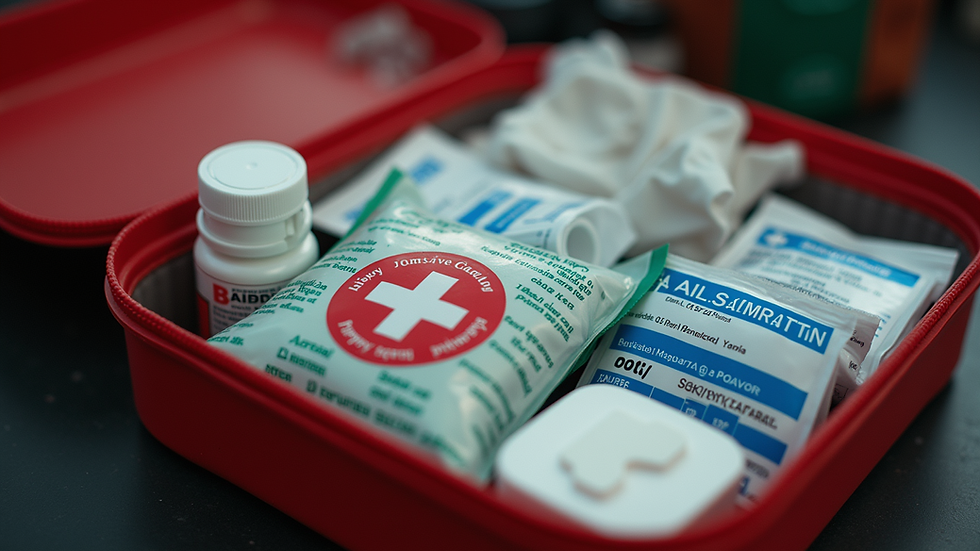
Understanding the Importance of First-Aid Gear
Before diving into the specifics of what to pack, it’s crucial to understand why first-aid gear is essential for remote expeditions. Accidents can happen anywhere, and when you are far from medical facilities, being prepared can be the difference between a minor issue and a serious emergency.
Key Reasons to Carry First-Aid Gear
Immediate Response: In the event of an injury or illness, having first-aid supplies allows for immediate treatment, which can prevent complications.
Peace of Mind: Knowing you are prepared for emergencies can enhance your overall experience, allowing you to focus on enjoying your adventure.
Injury Prevention: Some first-aid supplies can help prevent injuries from worsening, such as splints for fractures or antiseptics for cuts.
Essential First-Aid Supplies
Now that we understand the importance of first-aid gear, let’s look at the essential supplies you should include in your first-aid kit for remote expeditions.
Basic Supplies
Adhesive Bandages: These are crucial for covering small cuts and abrasions. Choose a variety of sizes to accommodate different injuries.
Gauze Pads and Tape: For larger wounds, sterile gauze pads can help absorb blood and protect the area. Medical tape secures the gauze in place.
Antiseptic Wipes: These are essential for cleaning wounds to prevent infection. Look for alcohol-free options to minimize stinging.
Tweezers: Useful for removing splinters, ticks, or debris from wounds.
Scissors: A pair of small, sturdy scissors can help cut tape, gauze, or clothing in emergencies.
Medications
Pain Relievers: Pack over-the-counter pain relievers like ibuprofen or acetaminophen for headaches, muscle aches, or minor injuries.
Antihistamines: These can be lifesavers for allergic reactions, especially if you are in an area with plants or insects that may trigger allergies.
Anti-nausea Medication: If you are prone to motion sickness, consider bringing medication to help alleviate symptoms.
Specialized Gear
Elastic Bandage: Ideal for wrapping sprains or strains, providing support and reducing swelling.
Cold Packs: Instant cold packs can help reduce swelling and numb pain from injuries.
Burn Cream or Gel: If you are cooking or near a fire, burn cream can soothe minor burns and aid in healing.
Emergency Blanket: Lightweight and compact, these blankets can help retain body heat in case of shock or hypothermia.
Advanced Supplies
SAM Splint: This versatile splint can be molded to support broken bones or sprains effectively.
Tourniquet: For severe bleeding, a tourniquet can be a critical tool. Ensure you know how to use it properly before your expedition.
CPR Face Shield: If you are trained in CPR, having a face shield can protect both you and the victim during resuscitation efforts.
Organizing Your First-Aid Kit
Having the right supplies is only part of the equation; how you organize your first-aid kit is equally important. A well-organized kit allows for quick access to the necessary items during an emergency.
Tips for Organizing Your Kit
Use a Waterproof Bag: Choose a durable, waterproof bag to protect your supplies from the elements.
Label Everything: Clearly label each compartment or bag within your kit to quickly identify contents.
Regularly Check Supplies: Before each trip, check expiration dates and replenish any used items to ensure your kit is always ready.
Training and Preparedness
While having the right gear is essential, knowing how to use it effectively is equally important. Consider taking a first-aid and CPR course to equip yourself with the skills needed to handle emergencies.
Resources for Training
Local Red Cross: Offers courses in first aid, CPR, and wilderness first aid.
Online Courses: Many organizations provide online training that can be completed at your convenience.
Conclusion
Preparing for remote expeditions involves more than just packing your gear; it requires a thoughtful approach to safety. By equipping yourself with essential first-aid gear and understanding how to use it, you can ensure a safer and more enjoyable adventure. Remember, the wilderness is unpredictable, but with the right preparation, you can navigate challenges with confidence.
As you plan your next expedition, take the time to assemble a comprehensive first-aid kit, familiarize yourself with its contents, and consider taking a first-aid course. Your safety and well-being depend on it. Happy adventuring!


Comments